The energy transition calls for drastic changes in hospitals. Across Europe, hospitals are working to reduce their CO2 emissions and make their buildings and systems more sustainable. That is why steam humidifiers are increasingly being replaced by adiabatic humidification, a more energy-efficient alternative.

To gain an understanding of the opportunities and risks associated with this development, TNO has conducted research on the use of adiabatic humidification in hospitals. The findings have been published in the report Adiabatische bevochtiging in ziekenhuizen – Kwalitatief onderzoek (TNO R11952, 2025).
Why was this research conducted?
Traditionally, steam humidification has been the standard solution for air humidification in hospitals, mainly due to its high level of hygiene. In steam humidification, water is brought to the boiling point, thereby killing any bacteria and viruses present. This process consumes a great deal of energy.
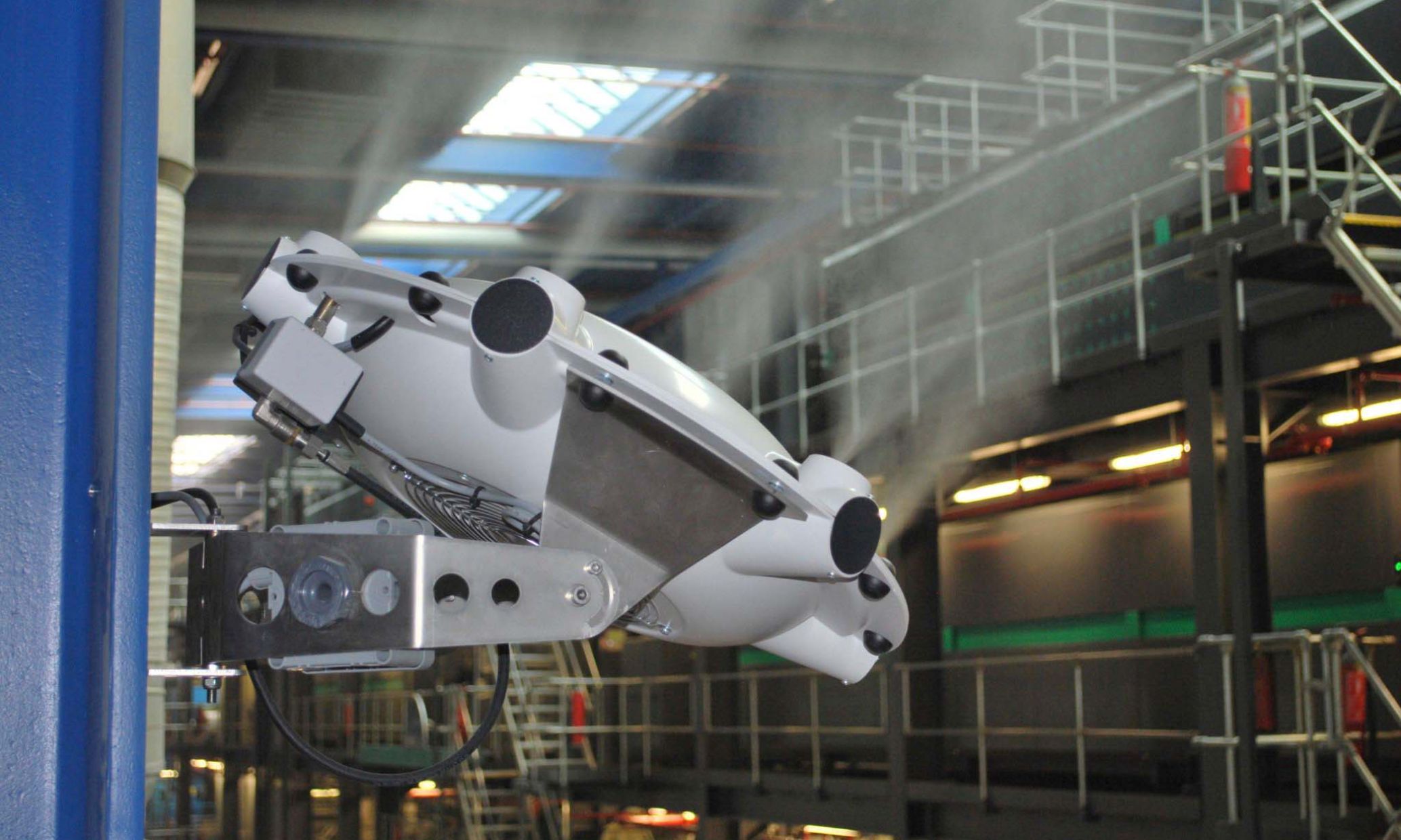
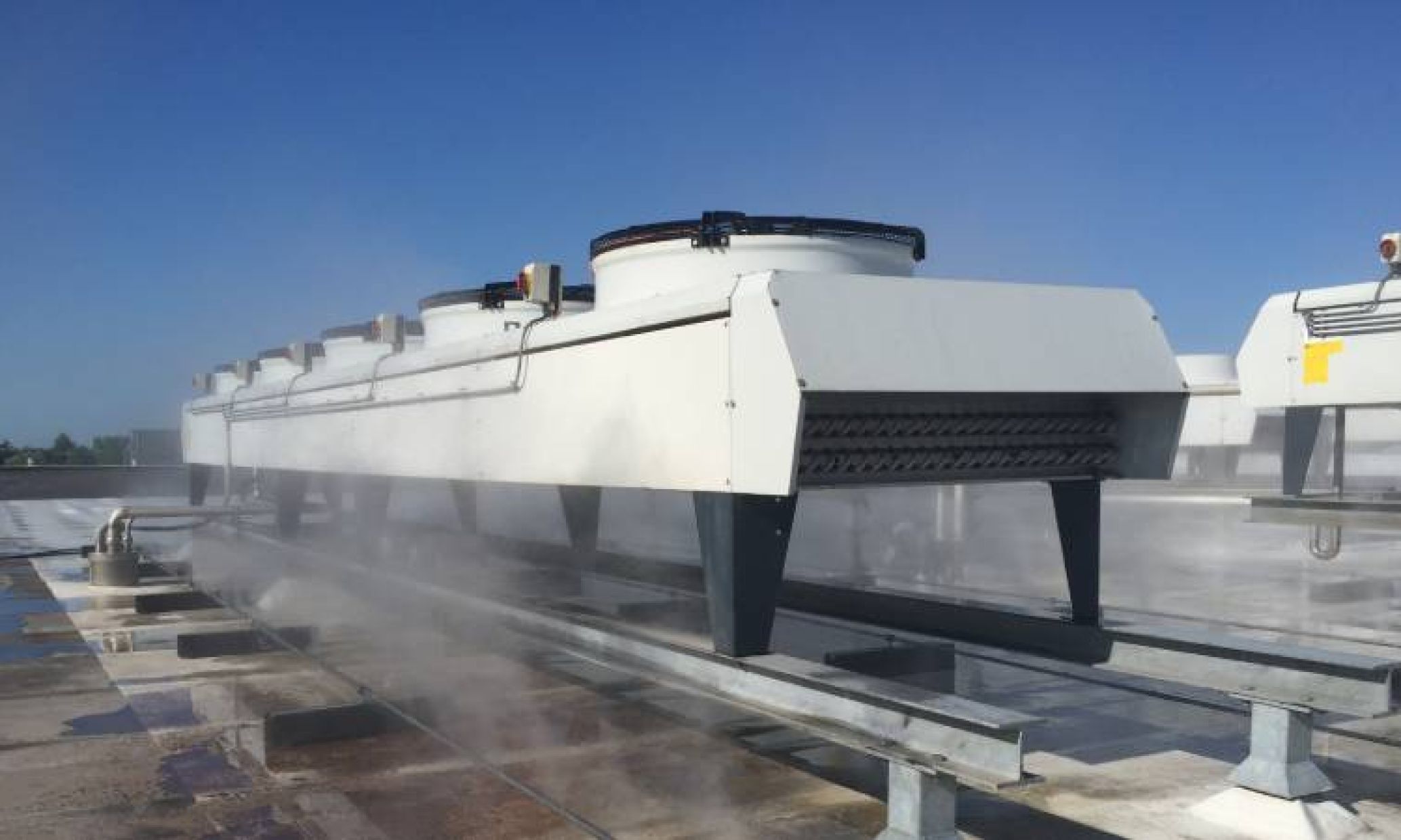
In the context of the energy transition and making the healthcare sector more sustainable, adiabatic humidification is therefore increasingly being chosen as a sustainable alternative. Adiabatic humidification does not use a gas-fired steam boiler. This technique can therefore help to reduce gas consumption in hospitals.
TNO has investigated the conditions under which adiabatic humidification can be safely used in hospitals. The focus was on microbiological risks.

This study focused on the following questions:
- What are the minimum mitigation measures required to minimise airborne spread and exposure to microorganisms?
- What microbiological requirements (CFU/m3) should be set for the air leaving the humidification system?
The study is based on a literature review, interviews, site visits and a qualitative risk analysis.
Why humidify?
Viruses and bacteria spread less quickly at optimal humidity levels. As a result, vulnerable patients face fewer health risks in a hospital with optimal humidity levels. During the study, one hospital reported that switching off the humidification system led to higher rates of sick leave and reduced comfort. All the hospitals interviewed used are humidification in wards with vulnerable patients (TNO R11952, section 3.2.1).
The switch to adiabatic humidification
Practical experience shows that hospitals are increasingly opting for adiabatic humidification as a sustainable alternative to steam humidification. All the hospitals interviewed have made a full or partial switch to adiabatic humidification and are striving to become completely independent of gas. Sustainability was the main reason for this. In addition, some hospitals cited the reduction in energy consumption and energy costs as a reason (TNO R11952, section 3.2.1).

Safe humidification with adiabatic humidification
Patient safety plays a key role in the use of adiabatic humidification in hospitals. the TNO study shows that, without appropriate measures, microbiological growth can occur at various points within a humidification system. In particular, damp components with condensation or standing water are cited as major risks (TNO R11952, section 3.2.1). According to TNO, the greatest microbiological risks are mainly associated with drip trays, droplet eliminators, evaporation pads and RO water taps.
Many hospitals already implement various measures to reduce these risks. For instance, reverse osmosis (RO) is often used to remove minerals from the water, in accordance with the VDI 6022 guidelane and, for Legionella prevention, the ISSO 55.3 guideline. Furthermore, the study shows that high-pressure atomises pose a lower risks than low-pressure atomisers. This is because they produce finer droplets that are more readily absorbed by the airflow (TNO, section 3.2.1).
Conclusions
Use of a reverse osmosis unit
An important prerequisite for the safe use of adiabatic humidification is ensuring water quality. The water must be free from microbiological contaminants during both atomisation and evaporation.
TNO concludes that a reverse osmosis (RO) unit is the minimum requirement for this. This prevents microbiological contaminants, minerals and salts from entering the air via the humidification process.
In addition, the following measures are important for safe application:
- Regular visual inspection of systems for stagnant water and damp components
- Water, surface and air samples at critical locations
- Use of a HEPA filter in critical areas, such as operating rooms and departments where patients with weakened immune systems are treated
- Regular flushing of pipes to prevent biofilm formation, especially during periods of inactivity
Would you like to make the air humidification in your hospital more sustainable?
Out experts are happy to help you make the switch to adiabatic humidification or other sustainable humidification solutions. Together with you, we will look at the potential energy savings for your hospital.