Static electricity can build up in workplaces where electronic equipment and synthetic materials are used. Electrical charges can accumulate particularly in dry environments, during intensive use of electronic equipment, or where there is significant friction between materials. If these charges discharge suddenly, this can cause malfunctions or even damage to equipment. Such discharges can have serious consequences for both machinery and staff.

Causes of static electricity in workplaces
Static electricity is generated when surfaces and materials rub against one another. Examples include:
- Products or packaging sliding against one another
- People walking on synthetic flooring
- Dry air in offices, warehouses or production areas (where humidity is below 40%)
- Equipment and machinery containing sensitive electronic components
A built-up charge can discharge suddenly, resulting in sparks, shocks or malfunctions.
Consequences of static electricity on businesses
The impact of static electricity on businesses is often greater than expected
- Damage to electronics and machinery: microchips, servers and production machinery can malfunction, resulting in high repair or replacement costs.
- Loss of production: Downtime caused by malfunctions show down production processes.
- Loss of quality: Products can be damaged.
- Safety risks to staff: Sparks or shocks pose a danger, particularly in environments containing flammable substances.
Humidification as a solution
Dry air increases the risk of static electricity. Humidification can significantly reduce this risk by:
- Raising the humidity to a stable level o 50-60%.
- Slowly dissipating electrical charges.
- Protecting electronic equipment and products from sudden shocks.
Humidifiers are therefore regularly used in companies within the process industry, such as printing works and electronics manufacturing.
Adiabatic humidification
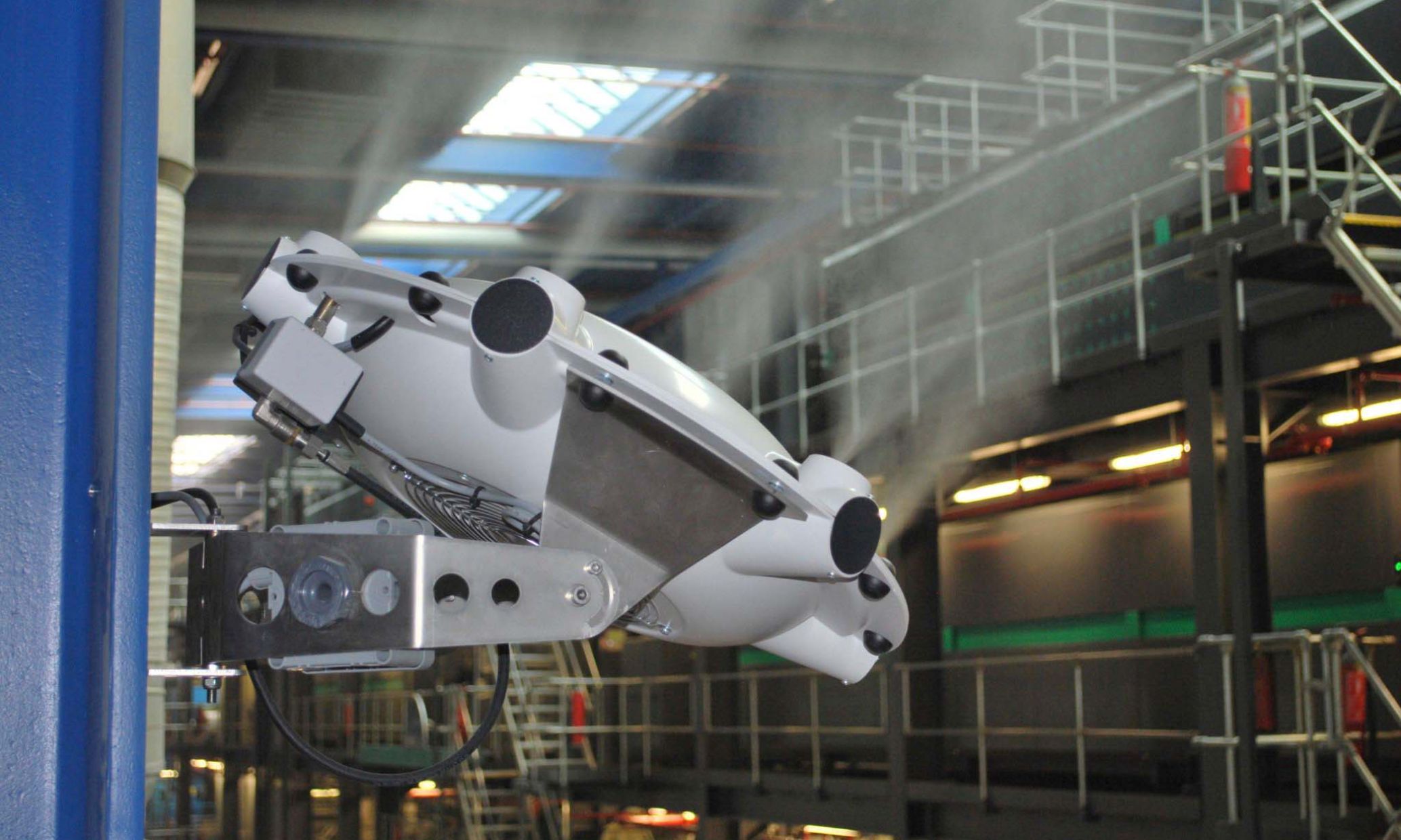
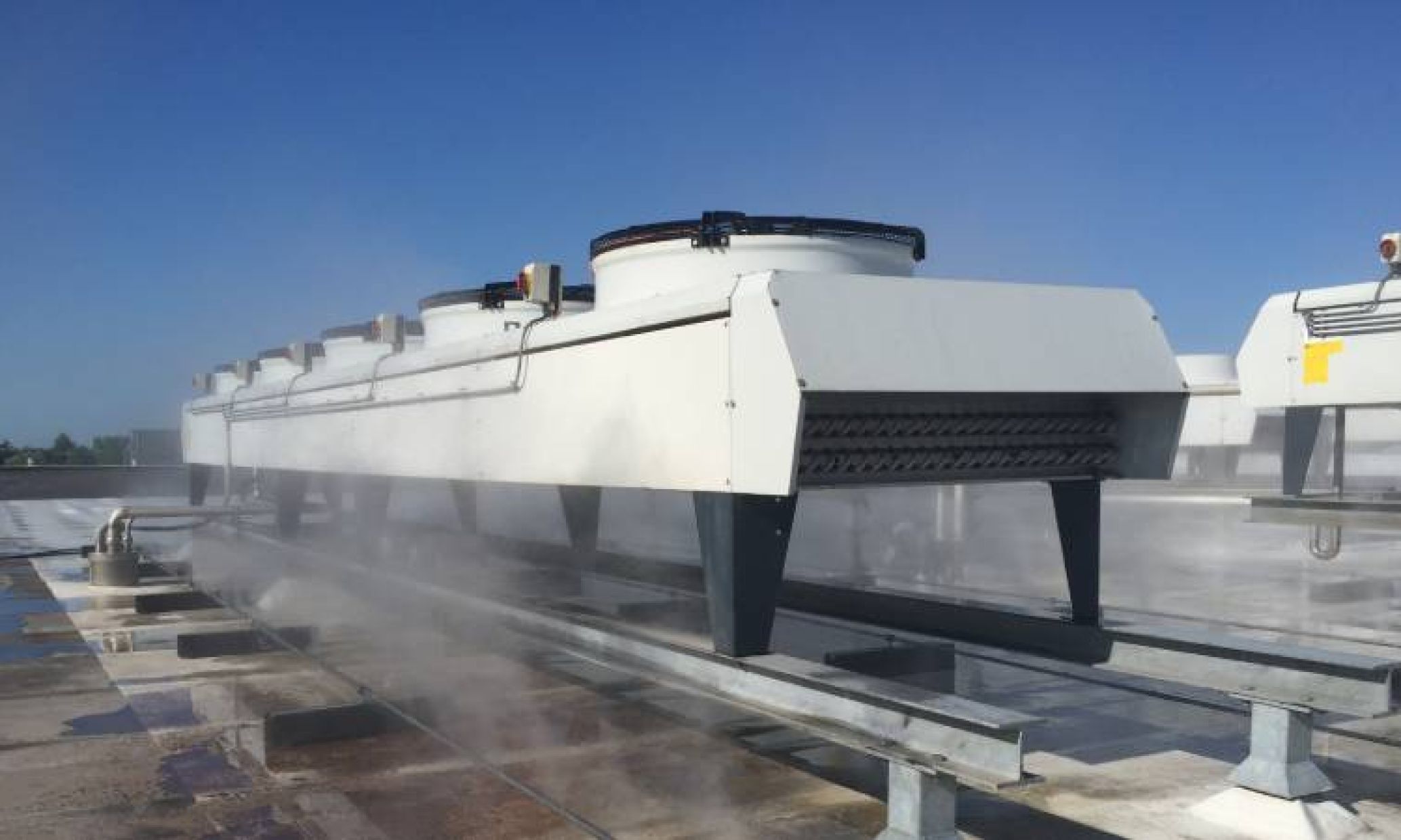
In environments where machinery generates heat, the air can become even drier. In such spaces, applying humidification directly within the room can provide a solution. In adiabatic humidification, heat from the air is used to evaporate the water droplets. This means less energy is required for humidification. In addition, the evaporation cools the air. this is also known as the adiabatic cooling effect. Thanks to the cooling effect, the cooling system is used less to cool the space.
Cumulus offers various adiabatic humidification methods suitable for application in open spaces:
- Compressed air-assisted humidification
- Ultrasonic humidification
- High-pressure humidification
Conclusion
Static electricity can cause invisible, but costly damage in industrial environments. By using humidification, businesses can reduce the risk of malfunctions and damage. Investing in humidification is not only beneficial for equipment and production, but also for the safety of employees.
Are you experiencing problems with static electricity?
Book an appointment with one of our experts. Together, we will find the best solution for your business.
Relevant articles